
As fall draws near, many residents and visitors in New Jersey look forward to the Halloween season, enjoying festive activities at haunted houses and pumpkin patches. These seasonal attractions are designed to bring joy and excitement, yet they also come with certain risks. Whether it’s navigating dark mazes, walking on uneven terrain, or interacting with spooky props, the chance of an injury is real. What happens, though, if you sustain an injury at one of these attractions? Premises liability laws determine who is responsible for ensuring your safety, and how you can seek compensation for your damages.

Understanding Premises Liability and the Duty of Care 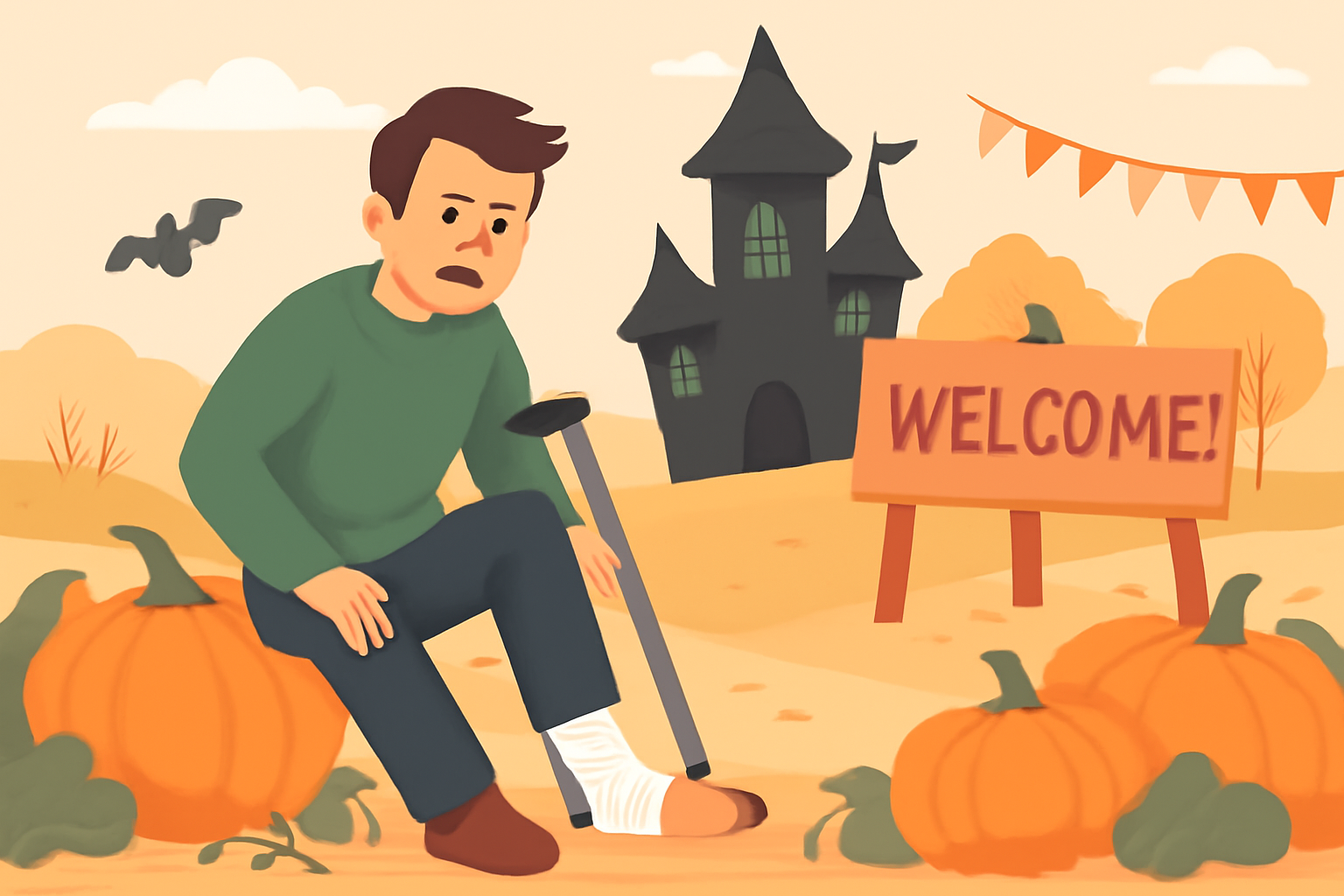
In New Jersey, like many other states, premises liability is the primary area of law that governs injuries occurring on someone else’s property. This legal doctrine holds property owners accountable for accidents that happen due to unsafe or hazardous conditions on their land. If you’re injured at a haunted house or pumpkin patch, you may have grounds for a premises liability lawsuit, but it’s essential to understand the specifics of how these cases work.
Property owners and operators, including those who manage seasonal attractions, have a legal obligation to maintain a safe environment for visitors. This means ensuring that walkways are clear, hazards are fixed promptly, and any potential dangers are communicated clearly to those on the property. This duty of care varies depending on the type of visitor, with a higher level of responsibility toward paying customers or “invitees.”
Invitees and the Highest Standard of Care
In New Jersey, visitors to commercial attractions like haunted houses and pumpkin patches are considered “invitees.” This means they have been invited to the property for the mutual benefit of both the property owner and the visitor—typically in exchange for admission or ticket sales. As an invitee, you are owed the highest level of care. Property owners are required to inspect their premises regularly for dangers and must fix or warn about any hazards that could cause injury.
For example, if a haunted house fails to warn you about a slippery floor in a dark area or if a pumpkin patch doesn’t remove a large rock in the middle of a path, the property owner could be held responsible for any injuries resulting from those unsafe conditions.






Licensees and the Duty of Care
In some situations, visitors to these attractions may not be classified as invitees. If you are on the property for a purpose unrelated to the business—such as visiting a friend who works there or just casually passing through—you may be considered a “licensee.” In these cases, the property owner’s duty of care is somewhat reduced. While owners still have to avoid intentionally harming you, they are not required to inspect the property as frequently for hazards or address dangers that they are unaware of.
For instance, if you’re attending a private party at a pumpkin patch that’s open to the public on the weekends, the duty of care owed to you may not be as stringent as if you were a paying customer. Still, owners must warn licensees about any known dangers.
Trespassers and Limited Liability
Trespassers are individuals who enter a property without permission. In New Jersey, the law provides the least protection for trespassers. Property owners are not responsible for injuries to trespassers unless the injury was caused by “willful or wanton” conduct—meaning the property owner intentionally caused harm or acted recklessly. In most cases, if you are trespassing at a haunted house or pumpkin patch, you have little legal recourse for any injuries sustained while on the property.
That said, property owners still need to avoid hazardous conditions that could harm others. For example, if a pumpkin patch has an open pit filled with sharp objects and the owner knows about it, they must take steps to prevent any harm, even if the individual who falls into it was trespassing.
Mr. Freeman represented me in a child custody case during the beginning of difficult times of Covid. As a father, I was at first worried about what the outcome of the case Maybe. However, Mr. Freeman assured me he would get me my rights. Thanks to knowledgeable Mr. Freeman and his professional staff, I was granted my rights. Cindy & Mr. Freeman were able to answer all my questions without delay. Highly recommend! SAM BEAST If you need a great family lawyer I recommend the freeman law center without hesitation. My life was a complete shambles because of the divorce I had to go through I didn’t know that i could feel so bad. The efforts that I received from Brian was outstanding and I can’t put in words how much I appreciated the way I was treated by his staff. Their slogan “Quality and Commitment” was not just words it was action. RON THATCHER
The Role of Waivers in Legal Responsibility
One common defense for property owners in these cases is the waiver of liability that many haunted houses and pumpkin patches ask visitors to sign before entering. These waivers are intended to protect the business by limiting the owner’s liability in case of injury. While waivers can be legally enforceable, they are not foolproof.
In New Jersey, courts have the power to invalidate waivers if they are overly broad or attempt to waive liability for gross negligence or intentional harm. If a pumpkin patch fails to clear an unsafe area that results in a slip and fall, or if a haunted house neglects to properly maintain its props, the waiver may not shield the owner from liability. As such, it’s important to carefully examine the terms of any waiver you sign and to understand that signing one does not necessarily bar you from seeking compensation.
What to Do After an Injury at a Haunted House or Pumpkin Patch
If you are injured while enjoying the thrills of a haunted house or pumpkin patch, it’s crucial to take immediate steps to protect your legal rights. First, make sure you seek medical attention for your injuries. Even if the injury seems minor, it’s always wise to get checked out by a medical professional to ensure that nothing serious has been overlooked.
Once you’ve been treated, document the accident scene. Take photographs of the area where the injury occurred, focusing on any unsafe conditions, such as uneven ground, broken props, or poorly lit pathways. This evidence can be vital if you decide to pursue a claim later on.
You should also report the injury to the staff on-site, making sure that an incident report is filled out. While this is not always mandatory, having a formal record of the injury can help corroborate your version of events should a dispute arise later.
Finally, consult with a personal injury lawyer who specializes in premises liability. An experienced attorney can help evaluate your case and guide you through the process of filing a claim, helping you determine whether you have a viable case and who may be held liable for your injuries.
Who Can Be Held Legally Responsible for Your Injury?
When it comes to determining liability, various parties may be responsible for your injury, depending on the circumstances:
Property Owners and Operators
If the injury was caused by a hazardous condition that the property owner knew about or should have known about, the owner or operator of the attraction may be held liable for your injury.
Employees
In some cases, an employee’s actions might contribute to the injury. For example, if an employee failed to properly monitor safety hazards or neglected to warn visitors about dangerous areas, they may be partially responsible for your accident.
Third-Party Contractors
If a contractor is hired to set up the attraction, maintain equipment, or handle other tasks, they might also bear some responsibility. For instance, if a contractor installed defective equipment or created a hazardous area, they could be held accountable for your injury.
The next time you visit a haunted house or pumpkin patch in New Jersey, keep in mind that accidents can happen, and if they do, you have rights. Whether you were injured due to an unsafe condition, poorly maintained equipment, or other factors, it’s important to understand who may be legally responsible for your injuries.
New Jersey law holds property owners accountable for ensuring their premises are safe for visitors, and if that duty is breached, you may be entitled to compensation. By following the proper steps—seeking medical care, documenting the scene, reporting the injury, and consulting an attorney—you can ensure that your rights are protected.
At Tanya Freeman Law, LLC, we specialize in premises liability cases and have the experience necessary to help you navigate the complexities of these types of personal injury claims. If you’ve been injured at a New Jersey haunted house or pumpkin patch, don’t hesitate to reach out to us for a consultation today.