
Winter in New Jersey brings unique driving challenges, with icy roads, snowstorms, and limited visibility contributing to a spike in accidents. Understanding the most common winter crashes and how insurance claims differ in these conditions can be critical for drivers who want to be prepared for the inevitable risks. Tanya Freeman Law, LLC, is dedicated to helping New Jersey residents navigate the complexities of insurance claims, especially those arising from winter weather conditions. This guide explores the types of crashes that are most frequent during the colder months and outlines what drivers can expect when filing claims for accidents caused by winter conditions.

Winter Driving Challenges in New Jersey 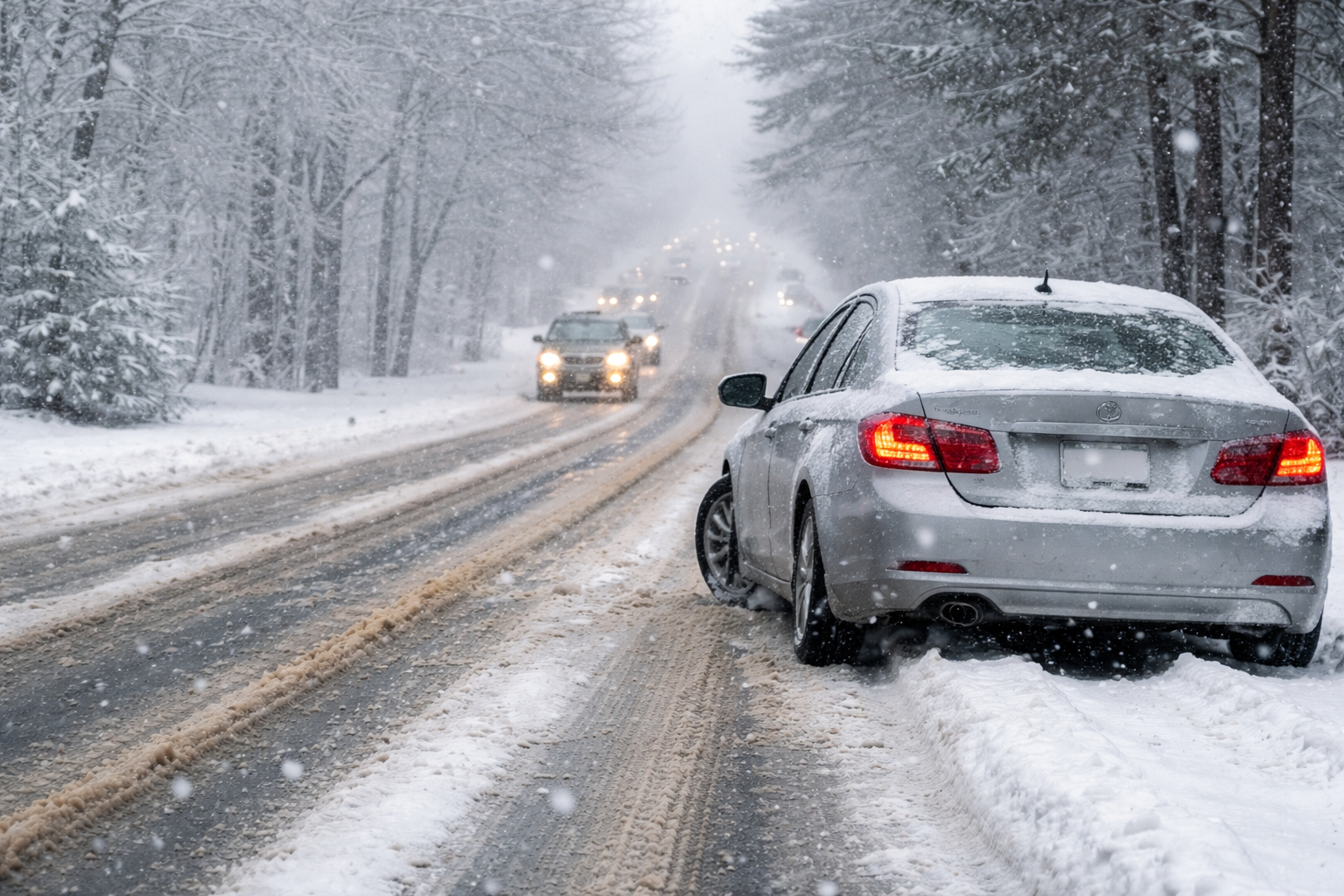
When winter strikes in New Jersey, the state faces a heightened risk of traffic accidents. The colder months bring about unpredictable weather patterns that often result in hazardous driving conditions. Freezing temperatures, snowstorms, ice, and reduced daylight hours contribute to the likelihood of accidents occurring at an increased rate. For New Jersey residents, winter driving requires heightened awareness and preparation. With roads often covered in snow or ice, the risk of skidding, slipping, and losing control increases dramatically.
In New Jersey, a major contributor to winter accidents is the state’s long history of sudden snowstorms, often paired with freezing rain. These conditions, combined with traffic congestion on highways and streets, create a dangerous driving environment. Drivers unprepared for the conditions, or who fail to adjust their speed accordingly, find themselves at a higher risk for collisions.
Common Winter Driving Crashes in New Jersey
Several types of crashes become more prevalent during the winter season in New Jersey. These accidents often occur as a result of the unique hazards that winter weather presents. The most common types include:
- Rear-End Collisions
Snow and ice reduce traction, making it difficult for vehicles to stop in time. This leads to a higher frequency of rear-end accidents, particularly when one vehicle is slowing down for a stoplight or approaching an intersection. Drivers who tailgate or drive too fast for the conditions are at a greater risk of causing these collisions. Many of these accidents result in minor injuries, but they can be serious, especially when they happen on highways with higher speeds. - Accidents Caused by Slippery Intersections
Intersections are particularly treacherous in the winter, as ice and snow accumulate where vehicles stop. In some cases, roads that are not salted properly can cause drivers to lose control while making turns or stopping for a light. The combination of reduced visibility from snow and ice with the need to make quick decisions at intersections leads to an uptick in accidents in New Jersey. - Spinouts and Rollovers
When roads are icy, even the most cautious driver can lose control of their vehicle. Spinouts, in which vehicles make sudden, unplanned rotations, and rollovers, where vehicles flip over due to loss of control, are common in winter months. New Jersey drivers should be particularly cautious on highways with bridges and overpasses, as these areas freeze first and can make it difficult to stay on course. - Pedestrian Accidents
With limited visibility due to snowfall and early darkness, pedestrians face a higher risk of being involved in accidents. New Jersey is a state with significant foot traffic, particularly around shopping centers, public transit stations, and residential areas. Slippery sidewalks and drivers failing to see pedestrians crossing in the snow further exacerbate the risk. Drivers need to be extra vigilant for pedestrians when driving through these areas. - Collisions with Snowplows
Snowplows are essential for keeping New Jersey’s roads clear during the winter months. However, they can present their own set of risks. Drivers who do not maintain a safe distance from snowplows risk a collision, especially when plows are clearing the highways at slow speeds. Snowplow accidents often result in significant vehicle damage, and due to the size and weight of the plows, injuries are frequently more severe.






How Claims Differ After Winter Accidents
Winter crashes in New Jersey require unique considerations when filing an insurance claim. The key difference between winter driving claims and those occurring in other seasons lies in how weather conditions are factored into the process.
- Weather Conditions and Liability
Insurance companies will often consider the weather conditions at the time of the accident when determining liability. If a crash is caused by snow, ice, or fog, insurers will look at whether the driver took appropriate precautions. For example, if a driver was speeding on a slick road or failed to use snow tires, they may be partially or fully liable. Documentation of road conditions and weather reports can play a crucial role in the claims process, and New Jersey drivers should ensure they gather this information at the scene of the accident. - Comparative Negligence in Winter Crashes
In New Jersey, accidents often involve the concept of comparative negligence, where fault can be divided between the parties involved. For winter accidents, this can mean that drivers who were not driving cautiously enough in poor weather may bear a larger share of the blame. This aspect can complicate claims, as insurance companies will scrutinize whether a driver was at fault for not adjusting to the weather. - Types of Insurance Coverage
Understanding the different types of insurance coverage is essential when filing a claim after a winter crash. Comprehensive insurance often comes into play for accidents that involve icy conditions or when a vehicle slides off the road. Collision coverage, on the other hand, will be applicable for accidents where another vehicle or an object causes damage to the car. Drivers need to be clear on which type of coverage they have and how it applies to winter-related incidents. - Increased Scrutiny for Claims
Because winter crashes are often more complex due to the role that weather conditions play, insurance companies may scrutinize winter claims more carefully than those made during other seasons. They will assess whether the driver was properly maintaining their vehicle, such as having winter tires or ensuring their brakes were in good condition for slippery roads. Insurance adjusters may also request detailed records of snowplow and salt treatments on roads in the area at the time of the accident.
Mr. Freeman represented me in a child custody case during the beginning of difficult times of Covid. As a father, I was at first worried about what the outcome of the case Maybe. However, Mr. Freeman assured me he would get me my rights. Thanks to knowledgeable Mr. Freeman and his professional staff, I was granted my rights. Cindy & Mr. Freeman were able to answer all my questions without delay. Highly recommend! SAM BEAST If you need a great family lawyer I recommend the freeman law center without hesitation. My life was a complete shambles because of the divorce I had to go through I didn’t know that i could feel so bad. The efforts that I received from Brian was outstanding and I can’t put in words how much I appreciated the way I was treated by his staff. Their slogan “Quality and Commitment” was not just words it was action. RON THATCHER
What to Do After a Winter Driving Crash
After a winter driving crash in New Jersey, it is important to follow several key steps to ensure a smooth claims process:
- Stay Safe and Assess the Scene
First and foremost, check yourself and others for injuries. If you are in a dangerous spot, move your car to a safer location. Call emergency services immediately if anyone is injured. - Document the Scene
Use your phone to take photos of the accident, including the road conditions, damages to vehicles, and any visible weather issues. Get the contact information of any witnesses, and ensure that the police file a report. - File a Report with Your Insurance Company
Contact your insurance provider as soon as possible after the crash to report the accident. Provide all the documentation you gathered, including weather reports, photos, and police reports. - Consult an Attorney
If you are unsure about how to proceed with your claim, consider consulting an experienced attorney. Tanya Freeman Law, LLC, can guide you through the process, ensuring your rights are protected and that you receive fair compensation.
The First Step of Divorce The Cost of DivorceRelated Videos
Preventative Measures for Winter Driving
To reduce the chances of an accident during the winter months, New Jersey drivers should take preventative measures:
- Ensure Proper Vehicle Maintenance
Having winter tires, checking tire tread, and making sure the vehicle’s heating system and brakes are functioning correctly can prevent many accidents. - Slow Down and Keep a Safe Distance
Driving at reduced speeds and leaving extra room between vehicles can help you avoid rear-end collisions and other accidents on slick roads. - Stay Updated on Weather Conditions
Checking the weather forecast before heading out can help you avoid traveling in hazardous conditions. If possible, delay your trip until the weather improves.
Winter driving in New Jersey can be treacherous, and understanding the risks and how insurance claims differ in these conditions is essential for protecting yourself. Tanya Freeman Law, LLC, is here to help guide you through the aftermath of a winter driving accident. If you’ve been involved in a winter crash, don’t hesitate to reach out to us for a consultation.