
During the cold winter months in New Jersey, car accidents can lead to injuries that may not show up until days or even weeks later. Freeman Law Center understands the complexities of personal injury claims that arise from these accidents, particularly when symptoms are delayed. This post explores why cold weather injuries often show up late and how drivers can protect their rights in such situations.

Cold Weather Crashes and Delayed Injury Symptoms in New Jersey 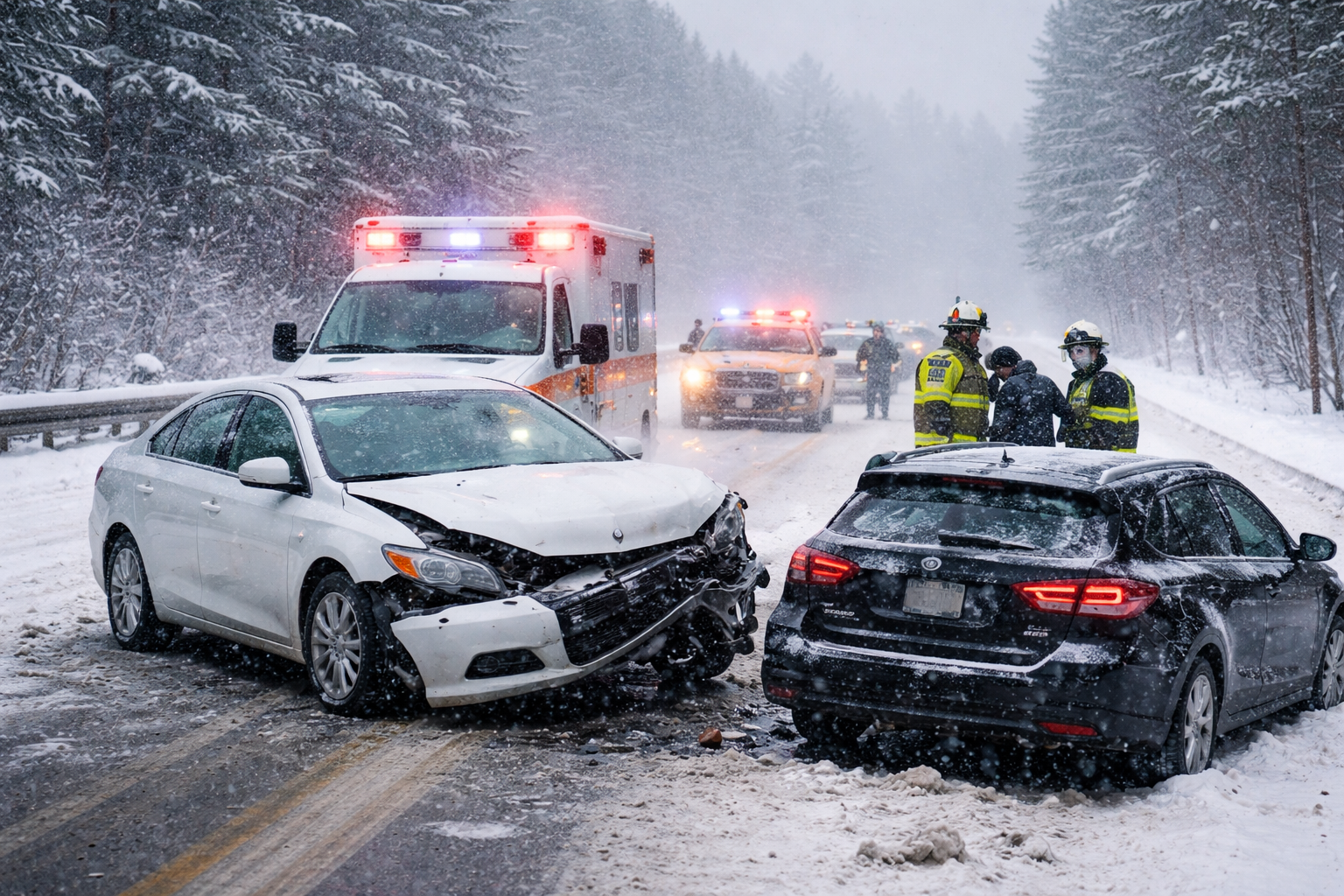
In New Jersey, the cold months bring hazardous driving conditions, including snow, ice, and freezing rain, making the roads treacherous. These conditions significantly increase the chances of car accidents. The impact of a crash on icy or slick roads can be severe, but often, the injuries sustained are not immediately apparent. When it’s freezing outside, adrenaline and shock can mask injury symptoms, and many people believe they’re unharmed, only to find out later that they’ve been seriously injured.
Freeman Law Center recognizes how these delayed symptoms complicate personal injury claims. If you or a loved one was involved in a winter crash, it’s crucial to seek medical attention even if you don’t feel hurt right away. This ensures that any potential injuries are documented early on, which is vital for your recovery and any legal proceedings that may follow.
Why Symptoms Appear Late After a Cold Weather Crash
After a cold weather accident, you may not feel pain or discomfort immediately. This delayed reaction can be due to several factors, which are outlined below:
- Adrenaline and Shock: After an accident, especially in dangerous winter conditions, your body’s fight-or-flight response is activated, flooding you with adrenaline. This can temporarily mask pain, allowing you to feel okay right after the crash. However, as the adrenaline subsides, the pain from injuries like whiplash or internal damage can start to set in.
- Muscle and Soft Tissue Injuries: Injuries to muscles, ligaments, and tendons—such as sprains or strains—may not be noticeable immediately. These injuries often develop over time as the body experiences inflammation or swelling.
- Cold Weather Numbing Effect: Cold temperatures can cause the body to numb, making it harder to feel injury-related pain at the moment of impact. What might seem like a minor jolt could have caused serious harm to bones or soft tissue, and the numbness can delay the onset of symptoms.
- Mental Distraction and Focus on Immediate Concerns: After a crash, especially in cold weather, individuals are often focused on securing their safety, calling for help, or clearing the roadway. Pain may be overlooked in the immediate aftermath as people concentrate on these immediate needs.






Common Cold Weather Injuries That Show Symptoms Late
Cold weather accidents often result in specific types of injuries, many of which may not immediately show signs. Some of the most common injuries include:
- Whiplash: This injury happens when the head is jerked forward and backward rapidly. Often caused by rear-end collisions, whiplash can cause neck pain, headaches, and stiffness that doesn’t appear until a day or two later.
- Spinal Injuries: The impact from a crash in icy conditions can lead to damage in the back or spine. Sometimes, there’s little to no pain right away, but you might feel stiffness, numbness, or tingling later.
- Fractures and Broken Bones: Slippery roads often lead to hard impacts, and while fractures can be felt immediately, some fractures, particularly in the smaller bones, may not show symptoms until swelling occurs or movement becomes painful.
- Concussions and Traumatic Brain Injuries (TBI): If you hit your head during a crash, you may not experience a headache or dizziness at first. Brain injuries can develop over time, with symptoms such as confusion, blurry vision, and memory loss.
- Internal Injuries: Injuries to organs such as the liver, kidneys, or spleen may not show symptoms until several hours or days after the crash, with pain or internal bleeding worsening over time.
Mr. Freeman represented me in a child custody case during the beginning of difficult times of Covid. As a father, I was at first worried about what the outcome of the case Maybe. However, Mr. Freeman assured me he would get me my rights. Thanks to knowledgeable Mr. Freeman and his professional staff, I was granted my rights. Cindy & Mr. Freeman were able to answer all my questions without delay. Highly recommend! SAM BEAST If you need a great family lawyer I recommend the freeman law center without hesitation. My life was a complete shambles because of the divorce I had to go through I didn’t know that i could feel so bad. The efforts that I received from Brian was outstanding and I can’t put in words how much I appreciated the way I was treated by his staff. Their slogan “Quality and Commitment” was not just words it was action. RON THATCHER
The Importance of Immediate Medical Attention
Even if you don’t feel pain right after an accident, it’s essential to seek medical help as soon as possible. Some injuries, like concussions, fractures, or internal bleeding, can worsen if not treated early. Additionally, early medical documentation can play a crucial role in any legal claim for compensation.
It’s common for people to think they are fine and delay seeing a doctor, but this can have serious consequences. Delayed treatment can lead to complications that might have been avoided with earlier intervention. Moreover, if you wait too long to see a doctor, insurance companies or defendants in a lawsuit may argue that your injuries were not caused by the accident, making it harder to claim compensation.
How Delayed Symptoms Impact Personal Injury Claims in New Jersey
When symptoms of an injury from a winter car crash appear days or weeks later, it can complicate the legal process. Proving that the injuries were directly caused by the accident can be challenging, especially if there is a gap between the incident and when the symptoms became apparent. However, Freeman Law Center has extensive experience handling personal injury cases in New Jersey, including those involving delayed symptoms.
The First Step of Divorce The Cost of DivorceRelated Videos
If you are involved in an accident, it’s important to keep detailed records of your medical treatment and any changes in your condition. Documenting the timeline of when symptoms appeared and the treatments you’ve received can help substantiate your claims. Additionally, it’s beneficial to seek legal advice early to ensure your rights are protected and that all aspects of your case are properly handled.
Seeking Legal Help After a Cold Weather Accident
Freeman Law Center is dedicated to helping clients who have been injured in car accidents during cold weather conditions. With over 20 years of experience in personal injury law, we understand the challenges that delayed symptoms can present. Our legal team is committed to securing the compensation you deserve for medical bills, lost wages, pain and suffering, and other damages.
If you’ve been involved in a crash, don’t wait for symptoms to worsen before taking action. Contact Freeman Law Center today for a free consultation. Our team can help guide you through the legal process, ensuring your case is handled with the care and attention it deserves.
How Freeman Law Center Can Assist You
After any crash, especially one in cold weather conditions, the legal process can be overwhelming. Freeman Law Center provides expert guidance, ensuring that all your legal needs are met. We will help you navigate insurance claims, medical treatment documentation, and personal injury lawsuits, protecting your rights every step of the way.